1. Describe what you see
Start by telling University Biohazard Cleanup Help about the containers, the smell, the location and anyone who has been exposed. The answers shape the plan.
University, MS · Lafayette County
A chemical spill in a University garage, shop or rental is not a job for paper towels. Call (877) 812-4220. The team covers containment, absorbent cleanup, decontamination and proper disposal.
If anyone is in danger, call 911 first. For a suicide crisis, call or text 988.
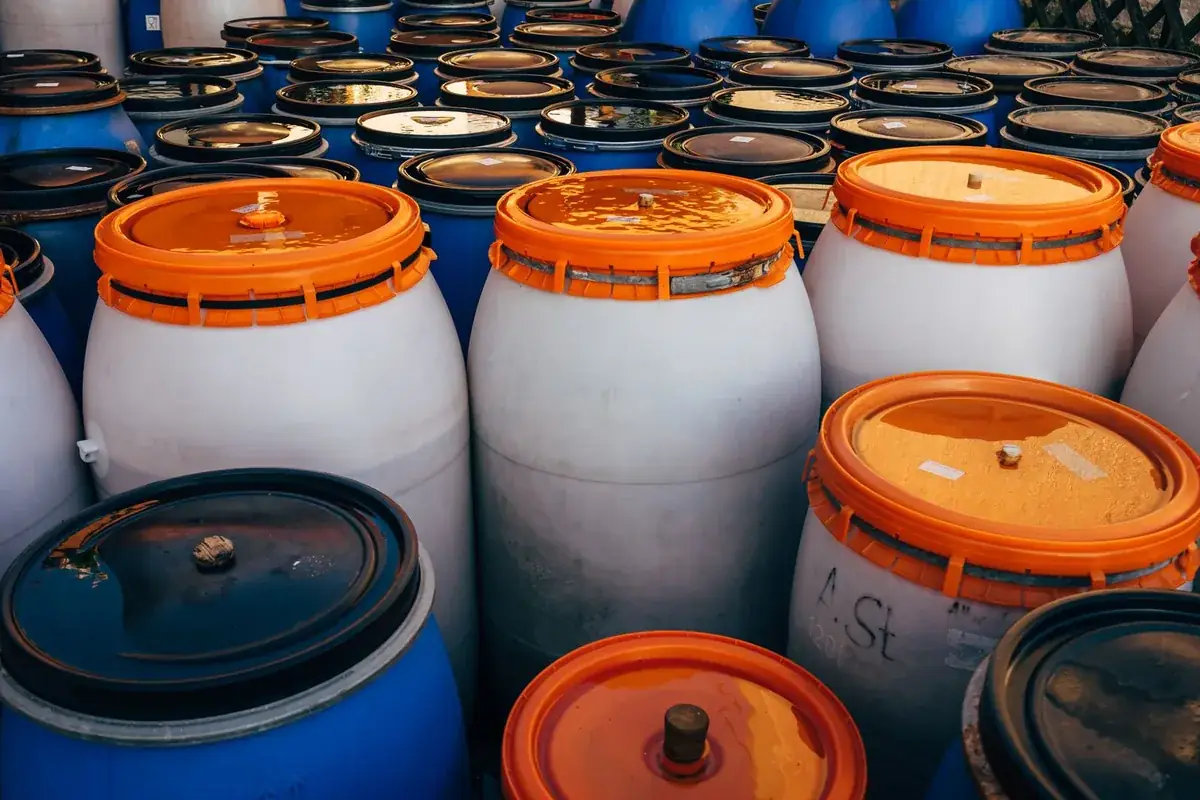
A chemical hazard is a substance that can burn, poison, explode or damage health. Chemical cleanup removes that hazard from the place where people live or work, then decontaminates the area.
Throughout University and Lafayette County, you can get a crew to identify the substance, contain the spread, remove contaminated materials and set up hauling for the waste. Call University Biohazard Cleanup Help to get started.
Vacant homes, about 34% of those in Lafayette County, are often cleared before a sale, and chemicals left behind need professional removal. Wet weather in University, about 60 inches of precipitation a year, speeds the rusting of old drums and the spread of leaked product.
A typical chemical & toxic waste cleanup job includes:
Start by telling University Biohazard Cleanup Help about the containers, the smell, the location and anyone who has been exposed. The answers shape the plan.
People and pets are kept out. Ignition sources and unsafe airflow are controlled, and workers put on protective gear matched to the hazard.
Hazardous material, empty containers and soaked items go into sealed drums or bags. Hard surfaces are cleaned, and porous materials that soaked up the substance are removed.
The team packs the waste and takes it away. A final check of the area ends with a plain summary for the owner.
The cost of chemical & toxic waste cleanup in University, MS depends on the amount of material, how it is packed and how it is hauled.
The price of chemical and toxic waste cleanup depends first on the type of substance and how much there is. Some products are simple to contain, while others need special packing and disposal.
| Type of job | Typical range |
|---|---|
| Hazardous chemicals | $30 - $50 per barrel |
Figures are planning ranges from Fixr, not a price for any specific University property. Price drivers include type of chemical, amount, packaging and transport, disposal fees. Call (877) 812-4220 any hour.
Some do, but the work is different. Biohazard cleanup deals with blood, body fluids and germs, while chemical cleanup deals with harmful substances. Ask whether a team has the gear and procedures for the specific chemical before hiring it.
It depends on the policy. Some cover sudden spills, and many exclude pollution or long-term leaks. Read your policy and call the insurance company before cleanup starts, then take photos from a safe spot and keep every receipt.
Open a window if it is safe, leave the room and keep people and pets away. Do not vacuum or sweep mercury, since that spreads it. Call Poison Control with questions, and call a cleanup team if the spill is large.
Keep people away and call 911 if there is danger. Cleanup teams place barriers and absorbents to stop the spread and remove contaminated soil or materials where needed. Local fire and health officials can say what must be reported.
Get everyone away from the area, including pets. Call 911 if anyone is in danger, or Poison Control with exposure questions. Do not touch unknown containers or try to wash a spill away. Then call a cleanup team for next steps.
Biological hazards come from living things, such as bacteria, viruses and body fluids. Chemical hazards come from substances like solvents, acids, fuels and pesticides. They need different gear, products and disposal, and some jobs involve both.
One call starts the process, and you decide whether to go ahead.
Call (877) 812-4220